
Normal Checkout Counter in Dubai, UAE: An Essential Solution for Modern Retail Stores
What Is a Normal Checkout Counter?
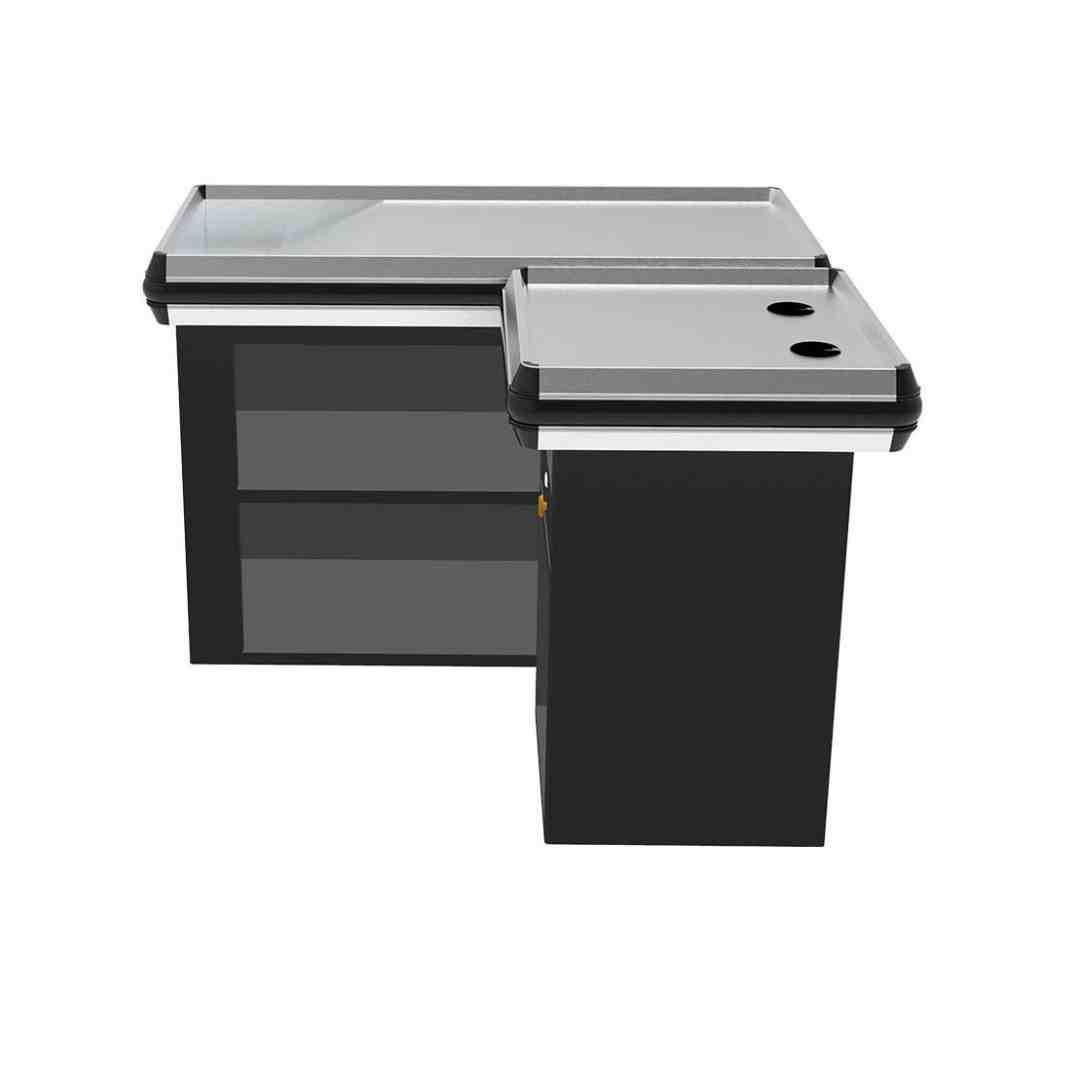
A normal checkout counter is a retail fixture designed to provide a dedicated workstation for completing customer purchases. It helps organize the billing area by providing space for checkout activities and supporting the placement of essential equipment, depending on the counter's design.
These counters are commonly used in supermarkets, convenience stores, grocery shops and other retail environments. A suitable checkout arrangement helps employees manage transactions efficiently while keeping the billing area organized.
Benefits of a Normal Checkout Counter
1. Organized Billing Area
A dedicated checkout counter helps establish a clear space for billing and payment activities. It allows retailers to arrange the checkout workstation according to their operational needs and maintain a more orderly working environment.
2. Improved Customer Experience
The checkout area is often the final point of interaction between a customer and a store. A properly planned counter helps create a clear and professional billing space, making the purchasing process more convenient for customers.
3. Efficient Use of Retail Space
Selecting a checkout counter that suits the store layout can help businesses make better use of their available floor space. Retailers can position the counter strategically to support customer movement and maintain accessible pathways.
4. Support for Point-of-Sale Equipment
A checkout counter provides a dedicated working area for suitable billing equipment, such as barcode scanners, POS terminals and other checkout accessories, depending on the available design and configuration.
5. Professional Store Appearance
A well-planned checkout area contributes to the overall appearance of a retail store. Combining a suitable counter with organized equipment and clear customer pathways can help create a clean and professional shopping environment.
Where Are Normal Checkout Counters Used?
Supermarkets and Hypermarkets
Supermarkets require dedicated billing areas to manage daily customer transactions. A suitable checkout counter helps provide an organized workstation for cashiers and supports the placement of essential billing equipment.
Grocery Stores
Grocery stores need practical fixtures that fit their available space and daily operations. A normal checkout counter can help establish a dedicated area for scanning products, processing payments and completing purchases.
Convenience Stores
Convenience stores often operate within limited floor areas. Choosing a checkout counter that fits the store layout can help maintain a functional billing station without unnecessarily restricting customer movement.
Department Stores
Department stores handle a wide range of products and customer transactions. An organized checkout counter helps provide a defined space for billing operations and supports a more structured retail environment.
General Retail Shops
From household goods stores to specialty retail outlets, checkout counters are useful wherever customers need a designated area to complete purchases. The appropriate design depends on the products sold, available space and daily transaction requirements.
How to Choose the Right Checkout Counter for Your Store
Before selecting a normal checkout counter, retailers should consider several important factors.
Store dimensions: Measure the available floor area and ensure the counter fits comfortably without obstructing entrances, exits or customer pathways.
Billing equipment: Identify the equipment required for daily transactions, including POS terminals, barcode scanners and payment devices. Check that the selected counter accommodates the intended setup.
Working space: Consider the space required by cashiers to operate equipment, organize items and serve customers comfortably.
Customer movement: Plan the checkout area to provide a clear approach to the counter and sufficient space for customers waiting to pay.
Daily usage: Choose a counter suited to the expected volume of transactions and the operating requirements of the business.
Overall store layout: Consider how the checkout counter will work with existing supermarket shelving, display racks and other retail fixtures.
Taking these factors into account can help retailers select a practical checkout solution for their business.
Normal Checkout Counter vs. Other Checkout Counter Designs
Different retail environments require different checkout arrangements. A normal checkout counter may suit stores looking for a straightforward billing workstation, while alternative designs can be more appropriate for specific layouts or higher-volume operations.
For example, an L-type checkout counter may help utilize corner space, depending on the store configuration. Larger supermarkets may require multiple checkout stations to accommodate customer traffic.
The right choice depends on the available floor area, number of billing points, customer flow and equipment requirements. Retailers should evaluate these factors before deciding which checkout counter best suits their needs.
Why Choose AHD Display for Checkout Counters in Dubai?
AHD Display, operated by Ahmad Hassan Darwish Trading LLC, supplies retail display solutions and supermarket equipment in Dubai, UAE. Its product range includes checkout counters and other fixtures designed to support retail store organization and operations.
Whether you are opening a new grocery store, upgrading an existing supermarket or planning a retail renovation, selecting suitable checkout equipment is an important step in creating an efficient store layout.
AHD Display can help businesses explore available retail equipment and identify products that suit their operational requirements.
Buy a Normal Checkout Counter in Dubai, UAE
A functional checkout area helps bring together billing equipment, cashier operations and customer service in one organized location. Choosing a suitable normal checkout counter can support efficient daily operations while contributing to a professional retail environment.
If you are searching for a normal checkout counter supplier in Dubai, UAE, explore the products available from AHD Display.
Visit the product page to learn more: https://www.ahd-display.com/product/normal-checkout-counter
Contact AHD Display
Address: Salahuddin Street, Near Emirates NBD, Abdulla Kamber Business Center, Shop No. S3, Deira, Dubai, UAE
Phone: +971 4 2298317 | +971 4 4298216
Email: murtuzacf@gmail.com
Frequently Asked Questions
What is a normal checkout counter used for?
A normal checkout counter provides a dedicated workstation for billing, product scanning, payment processing and other checkout activities in retail stores.
Which businesses need checkout counters?
Supermarkets, grocery stores, convenience stores, department stores and other retail outlets can use checkout counters to establish organized billing areas.
What equipment can be placed on a checkout counter?
Depending on its design, a checkout counter may accommodate POS terminals, barcode scanners, payment devices and other checkout accessories.
How do I choose the right checkout counter size?
Consider your available floor space, required billing equipment, cashier working area and customer movement before selecting a counter.
Where can I find checkout counters in Dubai, UAE?
AHD Display supplies retail fixtures and supermarket equipment in Dubai. Visit its official website to explore available checkout counter options and contact the team for product information.
Recent Posts


Contacts
-
Address
Salahuddin street, Near Emirates NBD, Abdulla Kamber Business Center, Shop No S3 deira, Dubai-UAE
-
Phone
+971 4 2298317
+971 4 4298216 -
Email
My Account
Scan Or Click

The Showroom Open on Weekdays from 08:00AM to 08:30PM
-
Address
Salahuddin street, Near Emirates NBD, Abdulla Kamber Business Center, Shop No S3 deira, Dubai-UAE
-
Phone
+971 4 2298317
-
Email

